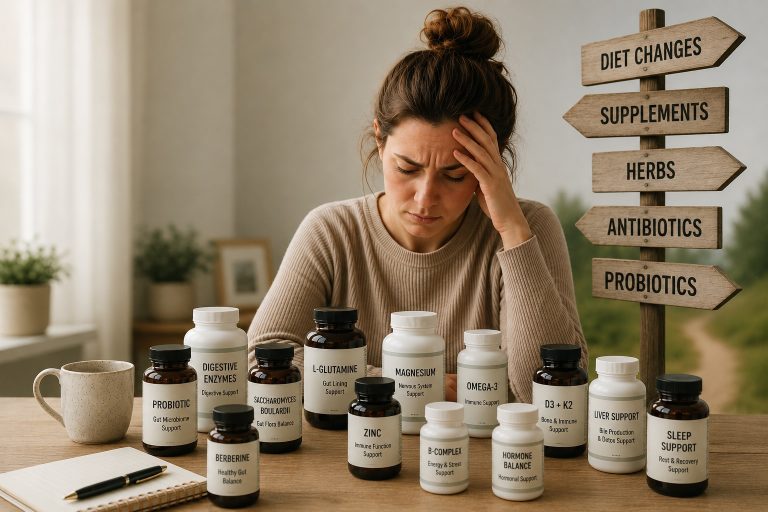
How to Treat SIBO: A Complete SIBO Treatment Guide
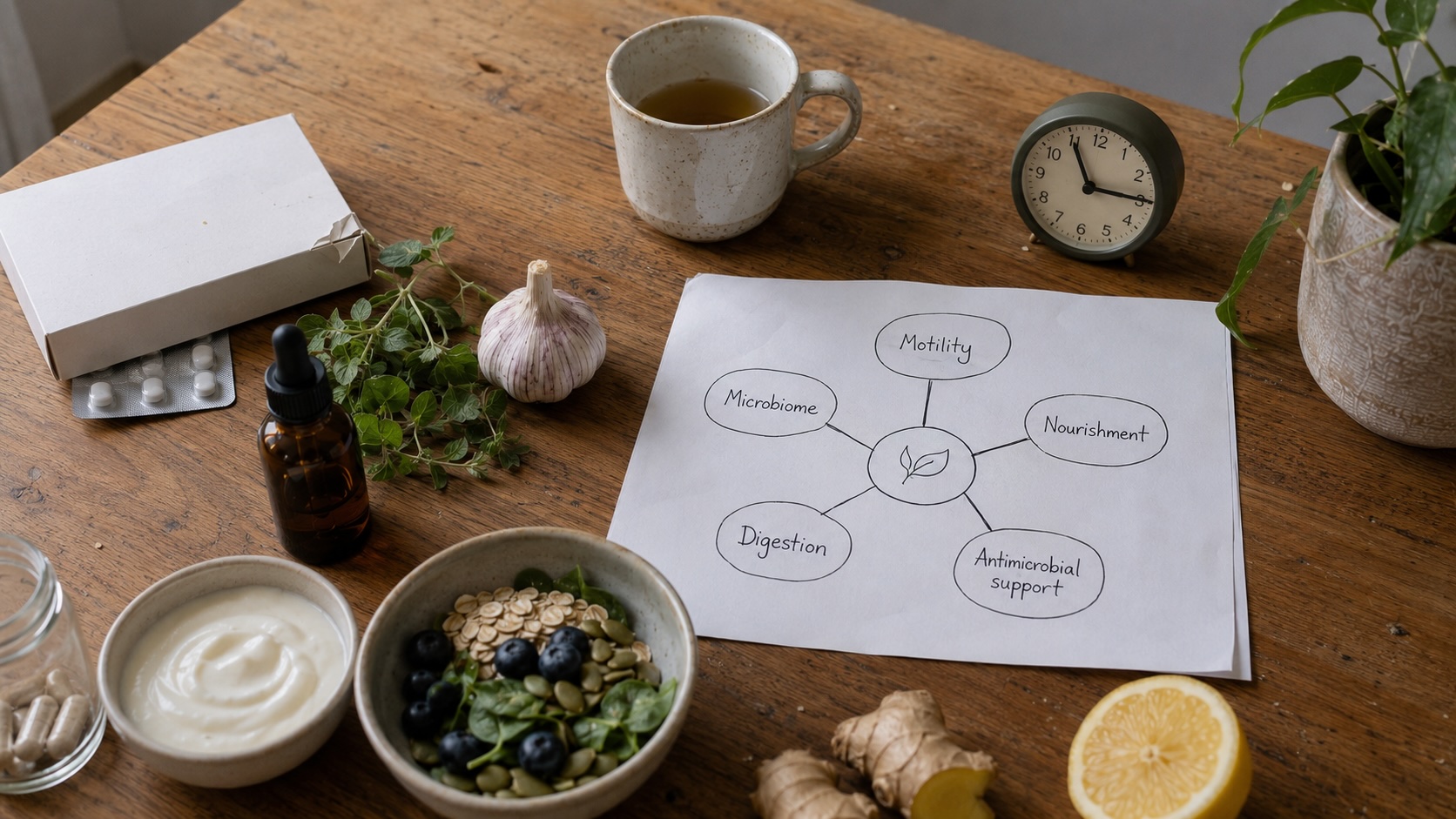
When you are first diagnosed and look into SIBO treatment, the advice can sound surprisingly simple: kill the bacteria, restrict the foods that feed them and keep going until your breath test is clear.
It makes sense that this becomes the plan. SIBO stands for small intestinal bacterial overgrowth, so reducing bacteria seems like the obvious answer, but the reality is more complicated.
Antibiotics or herbal antimicrobials can help some people. Probiotics may support others. Prokinetics, dietary changes and work on underlying digestive problems may all have a place too. None of them, however, is automatically the right starting point for every person.
A useful SIBO treatment plan needs to consider:
- what may be contributing to your symptoms
- what each intervention is designed to do
- whether your gut can maintain the changes once treatment stops
This guide explains the main treatment options, where they may fit and why lasting improvement often requires more than choosing the strongest bacteria-killing product.
What are we really trying to treat?
SIBO is commonly described as having too many bacteria in the small intestine. That definition is useful up to a point, but it can lead to the assumption that the quantity of bacteria is the only problem.
The small intestine is not sterile. It has its own microbial community, although this is normally less dense and compositionally different from the microbiome in the large intestine.
Research using small intestinal samples suggests that symptoms may be associated with particular microbial patterns, including an increased relative abundance of certain organisms, rather than just bacterial quantity. This supports a more nuanced understanding of what SIBO is: a form of small intestinal dysbiosis involving the composition, balance and function of microbes as well as bacterial numbers [1]. This distinction matters because reducing bacteria and restoring a more resilient gut are not necessarily the same thing.
You might reduce breath-test gases without resolving your symptoms. Equally, symptoms may improve even when a test does not completely normalise. Testing can provide useful information, but it cannot tell us everything about the small intestinal microbiome or explain every symptom by itself.
What does effective SIBO treatment involve?
The conventional approach to SIBO treatment usually centres on three things:
- addressing a recognised underlying condition where possible (e.g. diabetes, hypothyroidism, short bowel syndrome)
- correcting significant malabsorption or nutritional deficiencies
- prescribing antibiotics to reduce bacteria [2]
These are important considerations. The problem is that, for many people with persistent bloating, pain, constipation, diarrhoea or food reactions, this framework does not go far enough. It tends to focus on the far ends of the problem: a diagnosed medical condition at one end and bacteria at the other -there is often much less attention given to everything going on between them.
That might include how well food is being digested, whether bile and digestive enzymes are doing their jobs, how efficiently the gut is moving, whether someone is eating enough, what repeated restriction has done to microbial diversity, and whether the nervous system is allowing digestion to work normally.
These are not optional extras to add after the ‘real SIBO treatment’. For many people, they are part of the environment in which the microbial imbalance developed and the reason treatment does not hold.
The gastroenterology guidance itself acknowledges some significant gaps. It states that the definition of SIBO lacks precision, that our understanding of the normal small intestinal microbiome remains limited and that there is only a small evidence base to guide antibiotic strategies. Antibiotic treatment therefore remains largely based on clinical experience rather than strong evidence showing exactly which drug, dose and duration is right for each person [3].
This helps explain a pattern I see so often in clinic: someone receives antibiotics (usually rifaximin), feels better for a short time and then finds that the same symptoms gradually return. Others feel no better at all, or their breath-test result improves while their day-to-day symptoms do not.
That does not mean antibiotics never help- they can be a useful part of SIBO treatment, particularly when they are chosen carefully and there is a clear reason for using them. But reducing bacterial numbers does not automatically improve motility, restore digestive capacity, rebuild a depleted microbiome or make food feel safe and tolerable again. In my clinic, around 4 out of 5 patients don’t actually require antibiotics or herbal antimicrobials to improve their symptoms.
I take a much wider view of treatment. Depending on the individual and their personal root causes, this may mean exploring:
- the migrating motor complex and wider gut motility
- stomach acid, bile and digestive enzyme function
- microbial balance and resilience
- food tolerance, dietary variety and adequate nourishment
- constipation and bowel emptying patterns
- medication effects
- structural or diagnosed medical conditions
- gut-brain signalling and nervous system state
- the order and timing of different treatments
Not everybody needs support in every one of these areas, and a symptom alone does not prove that any particular system is impaired. The aim is to work out which parts of the pattern are actually relevant, rather than putting everyone through the same kill-restrict-rebuild protocol.
This is where many SIBO treatment plans fall short. They concentrate on removing bacteria without asking whether the gut has the movement, nourishment, digestive function and microbial resilience needed to maintain a healthier balance afterwards.
A more holistic approach does not reject gastroenterology. Medical investigation, diagnosis and treatment remain important, especially when symptoms are severe or there are signs of malabsorption or another underlying condition. It simply recognises that antibiotics and deficiency correction are often only part of the picture, rather than the whole treatment plan.
Antibiotics for SIBO
Antibiotics are the most established medical treatment for SIBO, and they are usually the first option offered by a gastroenterologist [2].
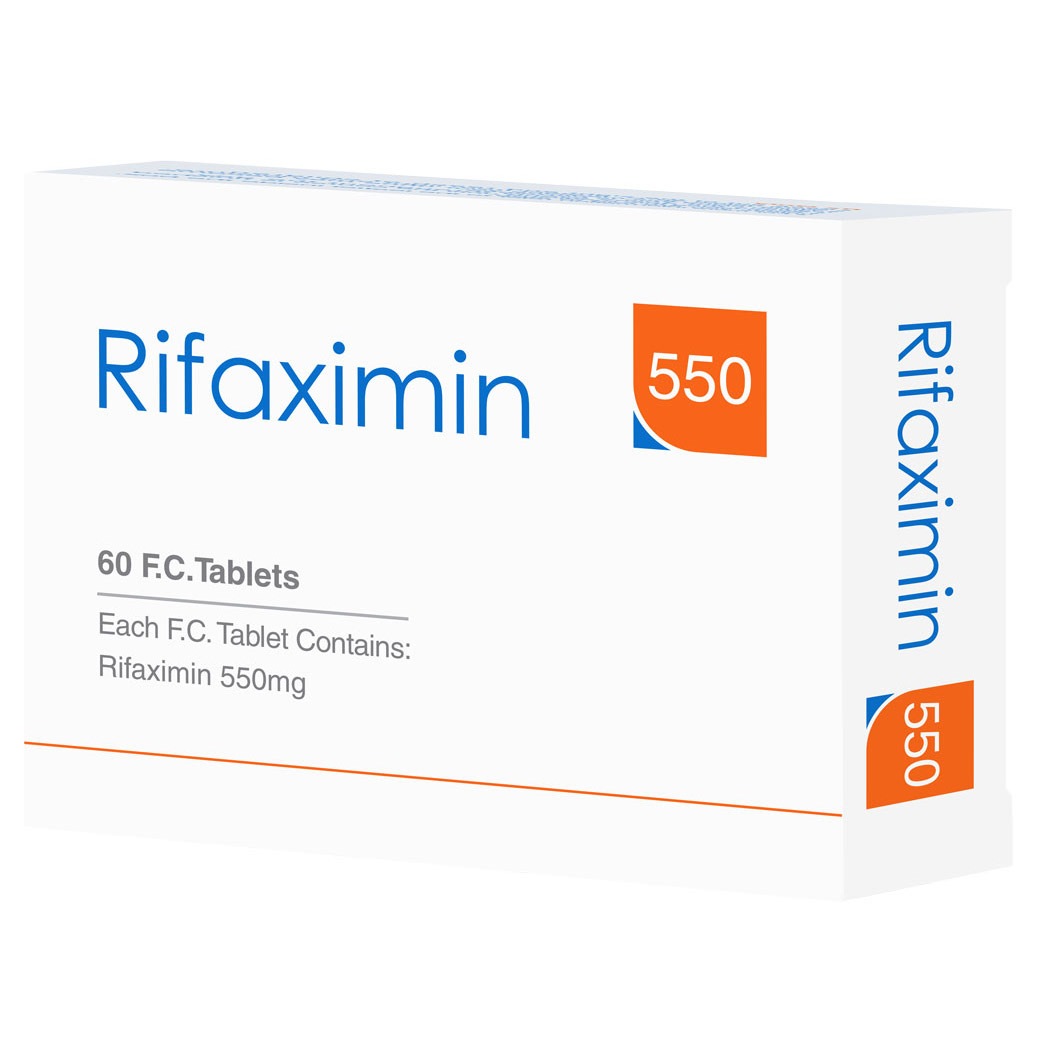
Rifaximin is the antibiotic most closely associated with SIBO [3]. It acts mainly within the digestive tract and has relatively low absorption into the bloodstream. Other antibiotics, including ciprofloxacin and metronidazole, may also be prescribed depending on the person’s symptoms, medical history and previous response to treatment.
For people with a methane-positive breath test, the approach may be slightly different. Methane is produced by archaea rather than bacteria, so this is now more accurately described as intestinal methanogen overgrowth, or IMO. Rifaximin is sometimes combined with neomycin because early research suggests the combination may be more effective at reducing methane than either antibiotic alone [4]. The evidence is still limited, however, and this does not make the combination suitable or necessary for everyone.
This distinction matters because rifaximin and broader systemic antibiotics do not affect the body or the wider microbiome in exactly the same way. When rifaximin does not work, some people are offered other antibiotics, but a stronger or more systemic treatment does not necessarily mean a better or more lasting result. After several courses of rifaximin did nothing, I was prescribed two courses of ciprofloxacin for my SIBO. Rather than improving my symptoms, they made them considerably worse and left my gut feeling far less resilient than it had before treatment.
Whilst this is just my personal experience, we know that broad-spectrum antibiotics can rapidly alter the gut microbiome and reduce microbial diversity. Crucially, the microbiome does not always return completely to its previous state, although there is a lot we can do to help it [5]!
When we view SIBO as a disruption of the small intestine rather than simply an excess quantity of bacteria, we can see that while an antibiotic may reduce some of the organisms contributing to symptoms, it also will affect beneficial microbes elsewhere in the gut.
Antibiotics can improve symptoms for some people, sometimes quite quickly. But a positive response does not necessarily mean the wider problem has been resolved. Reducing bacteria may lower fermentation and gas production for a bit, but it does not tell us whether motility, digestion, microbial balance or the factors linked with recurrence have changed.
This is why the same treatment can produce very different outcomes. One person may feel much better, another may notice no change, and someone else may improve briefly before their symptoms return. Antibiotics can be useful, but they are very rarely a complete SIBO treatment in themselves.
Antibiotics may:
- reduce bacterial populations
- reduce microbial fermentation and gas production
- improve bloating, diarrhoea or abdominal discomfort for some people
- provide relatively quick symptom relief [6]
They do not directly:
- restore the migrating motor complex or wider gut motility
- improve stomach acid, bile or digestive-enzyme function
- correct adhesions or other structural factors
- resolve an underlying medical condition
- restore adequate nutrition after prolonged restriction
- rebuild microbial diversity and resilience
- change other factors associated with recurrence
This helps explain why one person may feel considerably better after antibiotics while another notices little improvement or, as I did, feels substantially worse. It also explains why an initially positive response may not last.
The conventional model often approaches SIBO as a bacterial removal problem: choose an antibiotic, reduce the bacterial load and repeat treatment if symptoms return. But repeatedly removing microbes without supporting motility, digestion, nourishment and microbial recovery may leave the underlying environment largely unchanged.
That does not mean antibiotics never have a place. But in my experience, once the wider terrain has been properly supported and the main factors contributing to SIBO have been addressed, we don’t often need them. When motility is working better, digestion is stronger, nutritional intake is more adequate and the microbiome is becoming more resilient, symptoms may improve without another round of bacterial reduction. In these cases, changing the environment is enough to allow the gut to move back towards balance by itself.
For the smaller number of people who still have persistent symptoms after these foundations are in place, antibiotics may be useful as a form of careful pruning. Their role is not to rebuild the ecosystem or fix the reasons SIBO developed. It is simply to reduce the organisms still contributing to symptoms once the gut is in a better position to maintain the change.
This is also why I do not believe antimicrobials cure SIBO on their own. If the terrain has not changed, another course may only create another temporary shift. If it has changed, antimicrobials may not be needed at all.
Herbal antimicrobials
Oregano oil, berberine, neem and allicin are among the herbal products most commonly used in SIBO protocols. They are often grouped together as though they all do the same job, but they contain different active compounds and may affect microbes and digestion in different ways.
Oregano oil contains compounds including carvacrol and thymol, both of which have broad antimicrobial activity. It is often included in combination protocols, but I find it can be a particularly strong option for people with an already sensitive gut. My own experience was awful: oregano oil triggered gastritis and worsened dysbiosis in my already depleted microbiome. Of course, not everyone will have the same experience and it can be a very useful supplement for some (I generally find it has the most benefit in Hydrogen Sulphide (H2S) SIBO), but it is a key reason I do not treat oregano oil as harmless [7] [8].
Berberine is a plant alkaloid found in species including barberry and goldenseal. It has antimicrobial activity and has also been studied for its effects on glucose regulation and metabolic health. It can influence drug-metabolising enzymes and may interact with medicines, so it needs to be used with care [9] [10] [11] [12].
Neem is often described as a gentler option and is commonly used in combination formulas. Even so, it has effects on the wider microbiome and should not be treated as a harmless long-term supplement simply because it is a herb [13].
Allicin is derived from garlic and is frequently used by practitioners in methane-positive cases. Supplement quality also matters because products vary in how much active allicin they generate or deliver [14] [15].
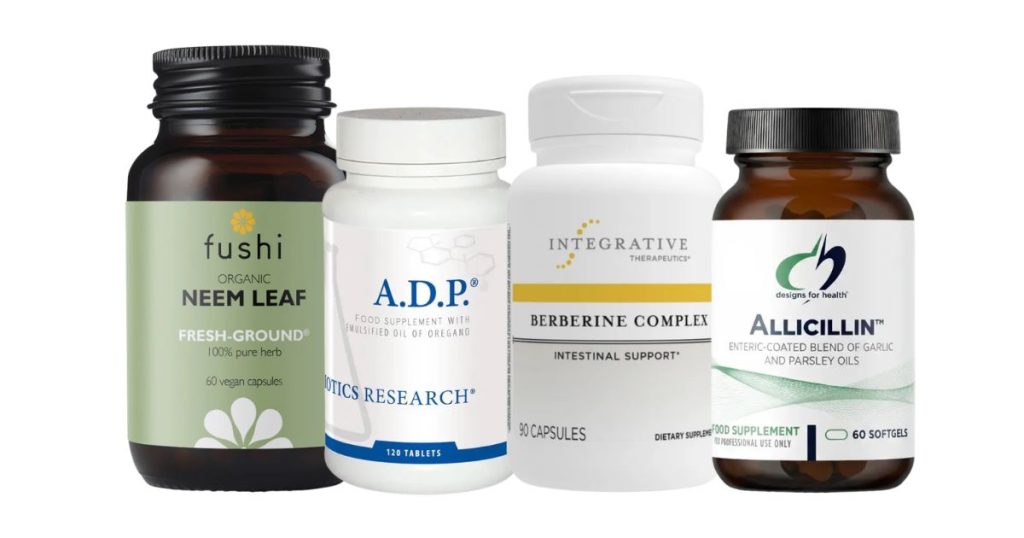
These products are often presented as a gentler or more natural alternative to antibiotics, but ‘natural’ does not mean mild, risk-free or suitable for prolonged use. Depending on the herb, dose and individual response, they may cause nausea, abdominal pain, diarrhoea or other digestive symptoms. Some, particularly berberine, may also interact with medicines. Their antimicrobial activity means they may affect beneficial microbes, as well as those thought to be contributing to symptoms.
As with antibiotics, I do not see herbal antimicrobials as the automatic foundation of treatment. If motility remains impaired, digestion is weak, food intake is restricted and the microbiome is already depleted, reducing more microbes may create a temporary shift without making the gut any more capable of maintaining balance.
Once the wider terrain has been supported, some people may find that antimicrobials are no longer necessary. For others, they may have a limited role as careful pruning, rather than being expected to do all the work.
Prokinetics and gut motility
Motility is one of the most important parts of SIBO treatment because the small intestine needs to be able to clear its contents effectively, not simply have its bacteria repeatedly reduced.
Between meals, the stomach and small intestine produce a repeating pattern of contractions called the migrating motor complex, or MMC. It acts as a housekeeping wave, moving residual food, secretions and microbes onwards through the small intestine [16]. When this movement is weak or poorly coordinated, bacteria and digestive contents may remain in the small intestine for longer. This creates conditions in which small-intestinal dysbiosis can persist or return, even after antibiotics or herbal antimicrobials have temporarily reduced it [17] [18].
Understanding the relationship between the migrating motor complex and SIBO therefore changes the treatment question. Rather than only asking how to kill bacteria, it asks why the small intestine is not clearing and regulating its microbial environment effectively in the first place.
Prokinetics are medicines, herbs or other compounds used to support digestive movement. Depending on the option, they may influence gastric emptying, small-intestinal contractions, the MMC or signalling pathways involved in motility [19].
They are often presented as something to add after antimicrobial treatment to prevent SIBO from returning. Research has found that certain prokinetics can delay the recurrence of symptoms following antibiotic treatment, but I think viewing them only as relapse prevention really underestimates their potential role [20].
When poor motility is one of the main factors allowing small-intestinal dysbiosis to persist, improving movement may be enough to change the environment without needing to kill bacteria first. Research suggests that prokinetics can improve symptoms and breath-test results in some people with SIBO, particularly where slowed intestinal movement is part of the picture. Their use has also been explored in conditions where impaired motility and SIBO commonly occur together, adding support to the idea that restoring movement can sometimes shift the microbial environment without antibiotics or herbal antimicrobials [21] [22].
I have also seen this clinically. In some cases, supporting motility alone has been enough to resolve symptoms and shift the wider SIBO picture without antibiotics or herbal antimicrobials (or many other interventions at all). It does make physiological sense – if the gut’s clearing waves begin working more effectively, microbes and residual contents are moved onwards rather than repeatedly being allowed to linger.
This is why I do not automatically follow a ‘kill first, then add a prokinetic’ sequence. When motility is central to the problem, supporting it earlier may reduce symptoms, improve the small-intestinal environment and remove the need for antimicrobials altogether.
It is important to note that the type of motility problem still matters. Here I am largely referring to MMC dysfunction – someone with delayed stomach emptying, constipation or pelvic-floor dysfunction may not need the same treatment. A structural obstruction also cannot be treated with a prokinetic and requires medical assessment.
There is no single best prokinetic for SIBO for everybody. Prescription options and herbal products work through different pathways, and the right choice depends on the symptom pattern, the part of the digestive tract involved, other medications and individual tolerance.
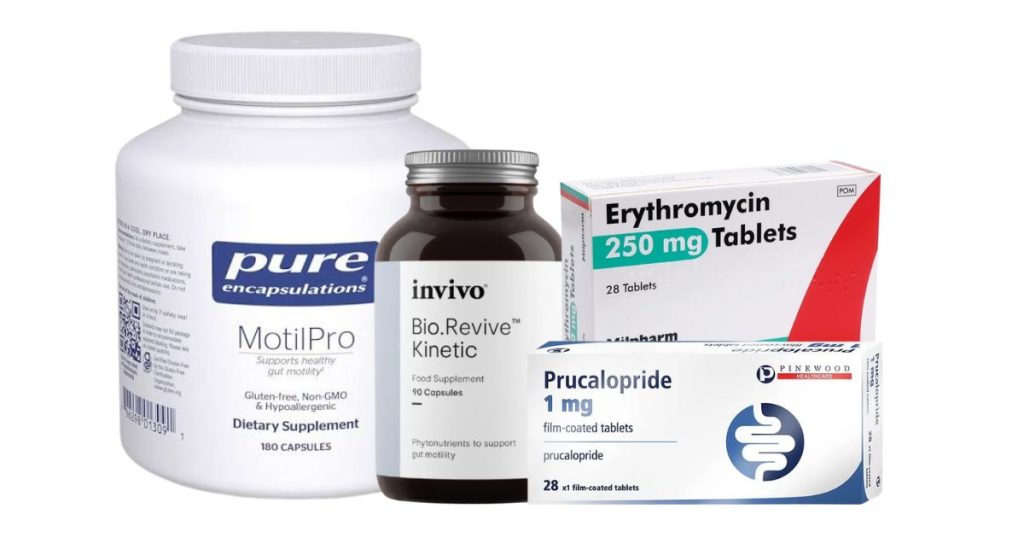
Finding the right option can therefore involve some careful trial and error. I created my Gut Motility Support Trial Kit for clients in clinic, so they can try small amounts of different herbal motility supports before committing to a full-sized product.
Prokinetics can be very helpful, but they are not a universal fix. Persistent vomiting, severe or increasing abdominal swelling, significant pain or possible signs of obstruction should always be medically assessed rather than managed with motility supplements.
Can probiotics be part of SIBO treatment?
Probiotics are still controversial in SIBO because adding bacteria can sound completely illogical when the diagnosis itself contains the words ‘bacterial overgrowth’.
I understood that fear because I had it too. After rounds of antibiotics, herbal antimicrobials and increasingly restrictive diets had made my symptoms worse, probiotics were the last thing I thought my gut needed. I had been told they would feed the overgrowth and add more bacteria to an already overcrowded small intestine.
That advice only makes sense when SIBO is viewed purely as a problem of bacterial quantity. When we understand it as small intestinal dysbiosis, the question changes. It is no longer simply whether probiotics add bacteria, but whether particular strains can help shift the balance and function of the microbes in the gut.
Probiotics are not all interchangeable. Their effects are strain-specific and may include competing with opportunistic organisms for nutrients and attachment sites, producing antimicrobial compounds, influencing immune activity and helping to restore a disrupted microbial environment [23]. This is why one probiotic may be helpful while another does very little, and why the dose and timing can matter just as much as the product itself.
Clinical studies suggest that certain probiotics may improve symptoms and breath-test outcomes in people with SIBO. A systematic review and meta-analysis found that probiotics increased the likelihood of clearing a positive breath test and reduced hydrogen levels and abdominal pain [24]. Individual clinical studies have also reported improvements in symptoms and breath-test results following probiotic treatment [25].
In my own case, introducing probiotics very carefully, one at a time and in tiny amounts, was one of the first things that began to calm my gut. My pain and bloating eased, and I gradually became able to tolerate more foods. That experience changed the way I thought about SIBO: repeatedly killing microbes had not helped, but carefully rebuilding the microbiome began to move things in a different direction.
A reaction does not automatically mean probiotics are feeding SIBO or that they should never be used. Sometimes the starting dose is too high, the strain is not the right fit or the gut needs more support before that product can be tolerated. Equally, I do not believe in pushing through a severe or persistent reaction simply because a probiotic is supposed to be beneficial.
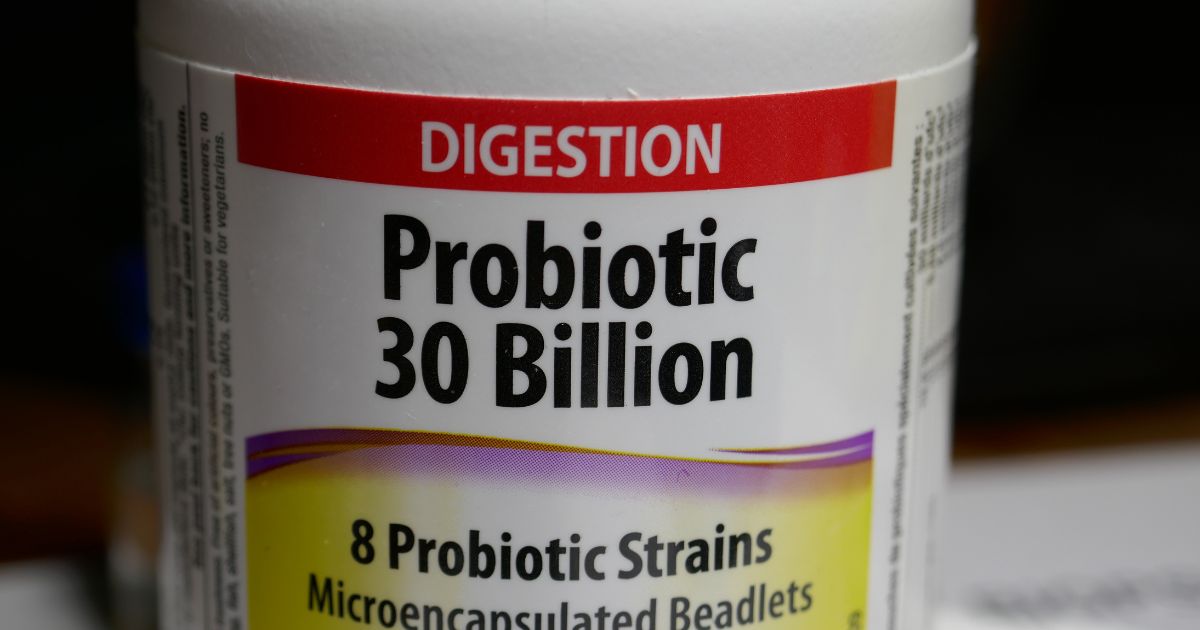
Whether probiotics for SIBO make symptoms worse or help rebuild the gut depends far more on the strain, dose, timing and wider gut environment than on the simple fact that they contain bacteria.
This is why I prefer a low-and-slow approach, introducing one product at a time so that the response can actually be understood. I created my Gut Microbiome Support Trial Kit for clients in clinic, allowing them to try small amounts of different probiotics before committing to full-sized products.
Probiotics are not a magic bullet, but neither do I see them as something that should automatically be avoided. For many people, carefully chosen microbiome support can be an important part of moving away from repeated killing protocols and towards a more balanced and resilient gut.
Is there a specific SIBO diet?
There is no single diet proven to cure SIBO, and there is no evidence to recommend any specific diet as a treatment for SIBO itself despite what you may read online [26]!
Low-FODMAP and other low-fermentation approaches can reduce bloating, gas, pain or diarrhoea for some people because they temporarily reduce the amount of fermentable carbohydrate reaching gut microbes. Most of this evidence comes from people with IBS rather than confirmed SIBO, but several systematic reviews have found improvements in overall digestive symptoms and bowel habits [27].
That can be useful when symptoms are making daily life or eating difficult. But reducing symptoms is not the same as correcting the wider problem.
Restrictive diets do not restore motility, digestive function or microbial balance. Used for too long, they may also reduce dietary variety and make it harder to meet nutritional needs. This becomes particularly important when someone is already eating very little, losing weight or becoming increasingly anxious around food. Gastroenterology guidance therefore recommends that the restrictive phase of a low-FODMAP diet lasts no more than four to six weeks before foods are systematically reintroduced and the diet is personalised [28].
I know how quickly this can spiral. I moved through low-FODMAP, keto, paleo, carnivore, GAPS, low-histamine and other restrictive diets before eventually eating little more than chicken, rice and carrots. My symptoms did not improve because food was not the process driving them.

This is why I do not believe there is one universal SIBO diet that everybody needs to follow. The most useful dietary approach is usually the least restrictive one that gives enough symptom relief to keep someone well nourished while the wider picture is addressed.
That may involve temporarily reducing the most obvious triggers, adjusting portions or meal composition and then gradually rebuilding variety as tolerance improves. It should not mean removing another food every time symptoms flare.
For me, the goal of dietary support is not to starve bacteria or create a permanently ‘safe’ food list. It is to help someone eat enough, reduce unnecessary fear and move back towards a varied diet that supports a more resilient microbiome.
Addressing the factors associated with recurrence
SIBO rarely develops because of one single problem. The body has several systems designed to keep the small intestinal microbiome balanced, so there are often multiple reasons SIBO can keep coming back.
It is associated with a wide range of factors that can alter the small-intestinal environment, including impaired motility, anatomical changes, previous gastrointestinal surgery, reduced digestive secretions and medical conditions that affect movement through the gut [29] [30].
This is why addressing the root cause should not be interpreted as finding one hidden dysfunction that explains everything. For many people, there are several contributing factors interacting at the same time. Some can be improved, some can be managed and others may need ongoing medical support.
The more useful question is not simply, ‘What caused my SIBO?’ but, ‘What was happening around the time it developed, and what is still making it difficult for the small intestine to maintain balance?’
That might mean looking at:
- whether symptoms began after an infection, operation or medication change
- constipation, slow transit or changes in the migrating motor complex
- signs of malabsorption, under-fuelling or a very restricted diet
- digestive capacity and whether food is being broken down effectively
- a diagnosed condition that affects intestinal movement or anatomy
- which symptoms changed with previous treatment, and which did not
- how quickly any improvement disappeared
A relapse does not prove that poor motility, stress or any other single mechanism is the cause. It may simply show that the intervention changed one part of the picture without changing enough of the environment to make the improvement last.
Exploring the possible root causes of SIBO is helpful to sensible investigation and treatment priorities. It should not leave you convinced that every system in your body is failing or that you need to investigate an endless list of increasingly obscure problems.
The aim is to identify the factors that are genuinely relevant to your pattern, support what can be changed and work around what cannot. That is usually far more useful than repeatedly treating the bacteria while leaving the conditions around them untouched.
This is the kind of wider pattern I explore with clients in clinic. Rather than assuming every possible driver is involved, we look at the timing of symptoms, treatment responses, motility, digestion, food tolerance and medical history to work out where support is most likely to make a meaningful difference.
Why SIBO treatment sometimes fails
When SIBO treatment does not work, it is easy to assume that the dose was too low, the antimicrobial was not strong enough or the protocol was not followed strictly enough.
That conclusion makes sense when treatment is built around removing bacteria. If symptoms remain, the obvious answer seems to be more treatment, but often the problem is not that the intervention was too weak, it’s that it was targeting the wrong thing.
Antibiotics and herbal antimicrobials may reduce particular microbial populations, but they cannot correct every process that allowed small intestinal dysbiosis to develop. If motility remains impaired, digestion is still struggling, food intake has become very restricted or the microbiome is already depleted, another killing phase may create a temporary change without improving the wider terrain.
Recurrence after apparently successful antibiotic treatment is well recognised, which suggests that reducing bacteria does not necessarily change the conditions that allowed the problem to develop [31].
SIBO treatment can also fail when when:
- bacteria are treated before motility, digestion and nourishment have been properly supported
- repeated antibiotics or antimicrobials further disrupt an already depleted microbiome [32]
- food restriction reduces resilience and makes the gut more reactive [33]
- the treatment sequence is fixed rather than adapted to what the person can tolerate
- too much is changed at once, so it becomes impossible to tell what is helping
- short-term symptom relief is mistaken for a lasting change in the gut environment
- recurrence is met with another killing phase rather than a review of what has not yet changed
- the plan focuses on clearing a breath test instead of improving how the person actually feels and functions
I do not place much weight on breath testing when deciding whether SIBO treatment has worked.
Breath tests are an indirect measure of gas production, not a direct picture of the small intestinal microbiome. Results can be heavily influenced by transit time, the substrate used, preparation and the thresholds chosen to interpret the test [34] [35]. That makes it possible for someone to have a ‘better’ result without feeling better, or to continue having significant symptoms despite a negative test.
For me, the more useful markers are how someone is actually functioning: whether bloating, pain and bowel symptoms are improving, whether they can tolerate a wider range of foods, whether motility is better and whether those changes last once treatment stops.
A test result should not outweigh the person and symptoms. If the numbers improve but the gut is still struggling, I would not consider that a successful treatment.
This is also why rigid treatment sequences can be so limiting. The standard 4R gut-healing protocol may not work when it assumes everybody needs to remove microbes, replace digestive support, reinoculate the gut and repair the lining in the same order.
Someone whose main issue is impaired motility may need movement support much earlier. Someone who is under-fuelled or frightened of food may need nourishment before another restrictive phase. Someone whose microbiome has been depleted by repeated antibiotics may need rebuilding rather than more removal.
A failed protocol does not mean that your gut is unusually difficult, your SIBO is ‘untreatable’ or that you need a more aggressive version of the same approach. It may simply mean the treatment was not matched closely enough to the pattern that was actually driving your symptoms.
Where is SIBO treatment heading?
The future of SIBO treatment is unlikely to be a stronger antibiotic or a more aggressive killing protocol. It is more likely to involve smaller, more precise changes to the microbial environment, alongside much greater attention to motility, digestion and the factors that allowed dysbiosis to develop.
1. Targeting microbial activity
One emerging direction is to target what microbes are producing rather than trying to remove whole microbial communities.
Methane is a good example. Methane-producing microbes are associated with constipation and slower gut movement, so researchers have explored using lovastatin, a type of statin, to reduce methane production without broadly suppressing the wider microbiome. It is still an experimental approach, but the idea is simple: reduce the methane causing problems without wiping out large parts of the microbiome [36] [37]
The same approach could eventually be used for other microbial by-products: work out what is driving symptoms, then target that process without unnecessarily disrupting the rest of the microbiome.
2. More targeted microbiome support
There is also growing interest in using probiotics, prebiotics, synbiotics and postbiotics to rebuild the gut environment rather than repeatedly trying to strip microbes out.
Partially hydrolysed guar gum has been studied alongside rifaximin and produced better breath-test results than rifaximin alone. Research is also becoming more specific about probiotics, looking at individual strains and combinations chosen for a particular job rather than treating every probiotic as interchangeable [38] [39].
Further ahead, bacteriophages may allow us to target particular bacterial strains without disturbing as much of the wider microbiome. This is not yet an established SIBO treatment, but it is a much more precise approach than using something that affects large groups of microbes at once [40].
3. Faecal microbiota transplantation
Faecal microbiota transplantation, or FMT, is also being explored as a possible SIBO treatment. One small randomised study found improvements in digestive symptoms and breath-test results, and further research is under way [41] [42].
I have also heard from people who have had very positive experiences with FMT, particularly for IBS. Some clinical studies have reported meaningful improvements too, although results have varied depending on factors such as the donor, dose and how the FMT was delivered [43].
I still have concerns about using FMT when poor motility is a major part of the picture. Adding a large community of colonic microbes does not fix the reason microbes are lingering in the small intestine in the first place. If clearance is still impaired, changing the microbiome may not address the main problem.
There is also some evidence that the state of the small-intestinal microbiome may affect how well FMT works for constipation [44].FMT may eventually be very helpful for a carefully selected group, but I do not see it as a universal reset or a replacement for improving motility and the wider gut environment.
4. Better testing and more personalised treatment
One of the biggest changes may come from finding better ways to sample the small intestine itself. New capsule technology and sequencing methods could give us a much clearer picture of which microbes are present, where they are living and what they are actually doing.
That would be a big step forward from relying so heavily on breath tests, which only give an indirect measure of gas production.
Treatment could then be matched much more closely to the individual pattern. One person may need motility support, another may benefit from a specific probiotic or fibre, while someone else may need a carefully targeted antimicrobial once the wider gut environment has been supported.
For me, this is where SIBO treatment needs to go: less focus on killing as much as possible, and more focus on understanding what has changed, why it has changed and what the gut needs to regain and maintain balance.
Where do you start with SIBO treatment?
The best place to start is almost never with the strongest antimicrobial or the most restrictive diet.
It is usually more helpful to work out which parts of the wider picture need support first. For one person, that may be motility. For another, it may be eating enough, improving digestion, rebuilding a microbiome that has already been depleted by repeated treatment, or addressing poor sleep and a nervous system that is keeping digestion in a more protective state.
The order really matters.
If someone is under-fuelled, highly restricted and reacting to most foods, another killing phase may make the gut less resilient. If motility is poor, reducing bacteria without improving clearance may only create a temporary change. If sleep is consistently disrupted or stress is keeping the body on high alert, digestion and gut movement may also be harder to restore.
This is why I tend to think in terms of foundations first:
- make sure food intake is adequate and not becoming increasingly restricted
- support digestion and bowel function
- look closely at motility
- improve sleep and reduce the level of ongoing stress where possible
- begin rebuilding microbial resilience where appropriate
- consider antimicrobial treatment only if something still appears to need pruning
That does not mean everyone follows exactly the same sequence. Someone with signs of MMC dysfunction may need motility support much earlier, even if they are not constipated. Someone whose main issue is food sensitivities and under-eating may need nourishment and a gentler approach before anything more active is added. Someone sleeping badly and living in a constant state of stress may need support there before the gut can respond fully to the rest of the plan.
The aim is to introduce each step for a clear reason and to give the gut enough time to show whether it is responding. Progress is better judged by changes in symptoms, food tolerance, bowel function, energy, sleep and how well those improvements hold, rather than by how many supplements are being taken.
This is also where personalised support can make a real difference. In clinic, I look at how the different parts of the picture fit together, what previous treatments may have missed and which changes are most likely to create lasting improvement, rather than simply adding more supplements or repeating the same protocol.
To sum up:
SIBO treatment is not about finding the strongest antimicrobial, the strictest diet or the perfect protocol.
Antibiotics and herbal antimicrobials can have a place, but they do not rebuild the gut environment by themselves. Prokinetics may be central when small-intestinal clearance is impaired. Probiotics and other microbiome support can help restore balance, while food needs to provide enough nourishment rather than becoming another source of fear and restriction.
For many people, the biggest shift comes from changing the order of treatment. Instead of starting with another killing phase, it may be more useful to support motility, digestion, nourishment, sleep, stress and microbial resilience first. Once those foundations are in place, antimicrobials may only be needed as a little careful pruning, and often they are not needed at all.
The aim is not simply to produce a lower breath-test number. It is to help the gut function better, tolerate more, move more effectively and maintain a healthier balance once treatment stops.
The most effective SIBO treatment is therefore the one that fits the wider pattern, addresses the factors that are genuinely relevant and gives the gut a better chance of staying well without repeated cycles of restriction and microbial depletion.

I’m Lucy, a Nutritional Therapist specialising in gut health, including SIBO, IBS, functional dyspepsia and histamine-related symptoms. I work with people who feel stuck with ongoing digestive issues despite trying diets, supplements, or standard protocols. My approach focuses on identifying root causes and restoring gut function, alongside supporting the nervous system, rather than relying on restrictive or short-term fixes.
If you’re struggling with persistent gut symptoms and not getting answers, you can book a free gut support call to discuss what you’re experiencing and whether one of my programmes could be the right fit for you.
References:
- https://pmc.ncbi.nlm.nih.gov/articles/PMC6494866/
- https://www.gastrojournal.org/article/S0016-5085(20)34928-3/fulltext?referrer=https%3A%2F%2Fpubmed.ncbi.nlm.nih.gov%2F
- https://bspghan.org.uk/wp-content/uploads/2023/01/acg-clinical-guideline-small-intestinal-bacterial-overgrowth.pdf
- https://www.ovid.com/jnls/jcge/abstract/10.1097/mcg.0b013e3181c64c90~a-combination-of-rifaximin-and-neomycin-is-most-effective-in?redirectionsource=fulltextview
- https://pmc.ncbi.nlm.nih.gov/articles/PMC3063582/
- https://pmc.ncbi.nlm.nih.gov/articles/PMC10774808/
- https://pmc.ncbi.nlm.nih.gov/articles/PMC6152729/
- https://pmc.ncbi.nlm.nih.gov/articles/PMC10215463/
- https://pmc.ncbi.nlm.nih.gov/articles/PMC7662377/
- https://pmc.ncbi.nlm.nih.gov/articles/PMC9328669/
- https://onlinelibrary.wiley.com/doi/10.1002/ptr.7589
- https://pmc.ncbi.nlm.nih.gov/articles/PMC8874997/
- https://pmc.ncbi.nlm.nih.gov/articles/PMC9195866/
- https://pmc.ncbi.nlm.nih.gov/articles/PMC6271412/
- https://pmc.ncbi.nlm.nih.gov/articles/PMC6073756/
- https://www.nature.com/articles/nrgastro.2012.57
- https://pmc.ncbi.nlm.nih.gov/articles/PMC1191459/
- https://onlinelibrary.wiley.com/doi/abs/10.1111/j.1365-2796.1995.tb01196.x?sid=nlm%3Apubmed
- https://pmc.ncbi.nlm.nih.gov/articles/PMC2886395/
- https://pmc.ncbi.nlm.nih.gov/articles/PMC2886395/
- https://www.reed.es/ArticuloFicha.aspx?id=7926&hst=0&idR=118&tp=1
- https://pmc.ncbi.nlm.nih.gov/articles/PMC12107030/
- https://pmc.ncbi.nlm.nih.gov/articles/PMC6363529/
- https://pubmed.ncbi.nlm.nih.gov/28267052/
- https://pmc.ncbi.nlm.nih.gov/articles/PMC4311312/
- https://pmc.ncbi.nlm.nih.gov/articles/PMC9198866/
- https://gut.bmj.com/content/71/6/1117.long
- https://www.gastrojournal.org/article/S0016-5085(21)04084-1/fulltext?referrer=https%3A%2F%2Fpubmed.ncbi.nlm.nih.gov%2F
- https://pmc.ncbi.nlm.nih.gov/articles/PMC9933597/
- https://www.ovid.com/jnls/ajg/fulltext/10.14309/ajg.0000000000000501~acg-clinical-guideline-small-intestinal-bacterial-overgrowth
- https://www.researchgate.net/publication/23265678_Small_Intestinal_Bacterial_Overgrowth_Recurrence_After_Antibiotic_Therapy
- https://pmc.ncbi.nlm.nih.gov/articles/PMC3063582/
- https://pmc.ncbi.nlm.nih.gov/articles/PMC9535515/
- https://pmc.ncbi.nlm.nih.gov/articles/PMC11268457/
- https://pmc.ncbi.nlm.nih.gov/articles/PMC9652228/
- https://pmc.ncbi.nlm.nih.gov/articles/PMC12126222/
- https://jpharmsci.org/article/S0022-3549(17)30686-X/fulltext
- https://pubmed.ncbi.nlm.nih.gov/20937045/
- https://badgut.org/sibo-clinical-trial/
- https://pmc.ncbi.nlm.nih.gov/articles/PMC12126222/
- https://pmc.ncbi.nlm.nih.gov/articles/PMC7866462/
- https://clinicaltrials.gov/study/NCT05967871
- https://pmc.ncbi.nlm.nih.gov/articles/PMC10234428/
- https://pmc.ncbi.nlm.nih.gov/articles/PMC11481539/