SIBO and dizziness: what causes it?

Are you struggling with SIBO and dizziness? If you’ve ever felt lightheaded, spaced out, or slightly off-balance alongside your gut symptoms, it can feel really confusing.
The doctor will likely tell you it’s anxiety, dehydration, or maybe just ‘nothing to worry about’, but when it keeps happening – especially around meals, during flare-ups, or alongside bloating and fatigue – it starts to feel connected.
In many cases, it is [1].
What’s actually happening in the body
When SIBO is present, symptoms don’t just affect your gut. It starts to affect multiple systems at once – digestion, the immune system, and the nervous system – which is why symptoms don’t stay neatly in one place. This is where dizziness starts to make more sense.
It’s usually coming from a combination of:
- changes in how food is digested and absorbed [2]
- shifts in blood sugar and energy [3]
- immune activation and inflammation [4]
- and how the nervous system regulates things like blood flow and balance [5]
Dizziness isn’t a separate issue here – it’s part of the same underlying pattern.
Why does SIBO cause dizziness?
The reason SIBO and dizziness are linked comes down to a few key mechanisms.
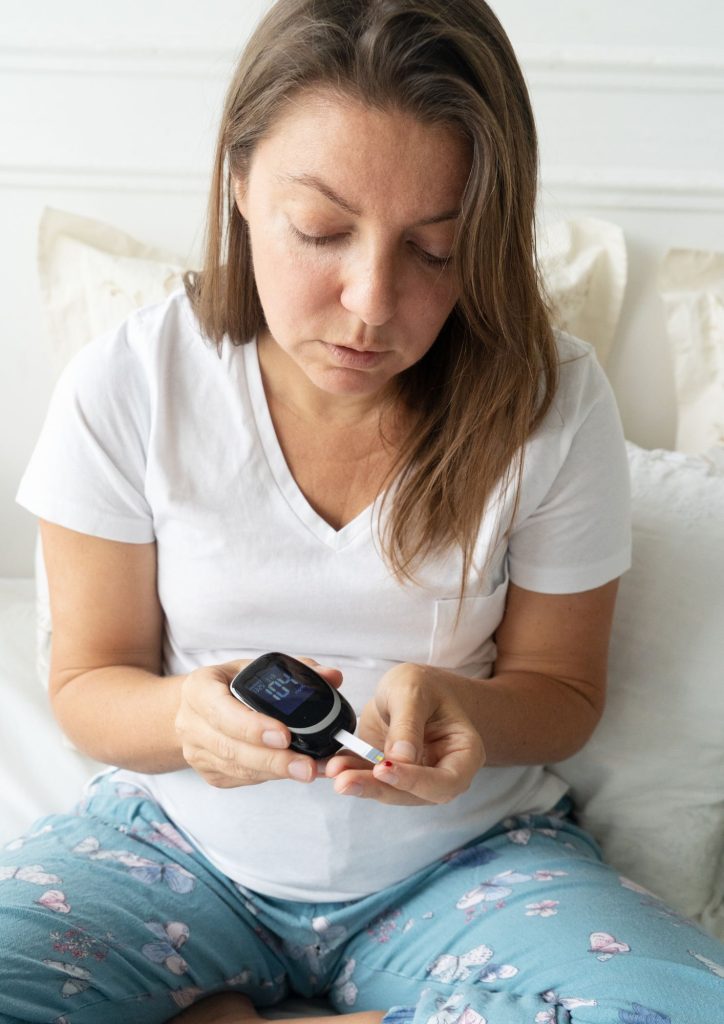
Blood sugar dips after eating
One of the most common patterns is feeling dizzy after meals.
When digestion isn’t working properly, food isn’t broken down and absorbed as efficiently. This can lead to more unstable blood sugar – especially a few hours after eating [3].
You might notice:
- feeling shaky or weak
- sudden fatigue
- lightheadedness after meals
Fermentation in the small intestine can also interfere with how energy is released and used, adding to that ‘dip’ feeling.
Histamine and mast cell activation
SIBO is closely linked with histamine intolerance, and in some cases a more reactive immune response often referred to as MCAS [6] [7].
When histamine levels rise, it can:
- dilate blood vessels
- lower blood pressure
- affect the nervous system
This can create a sudden or ‘floaty’ feeling of dizziness, particularly:
- after certain foods
- immediately after eating
- during flare-ups
- or alongside symptoms like flushing or palpitations
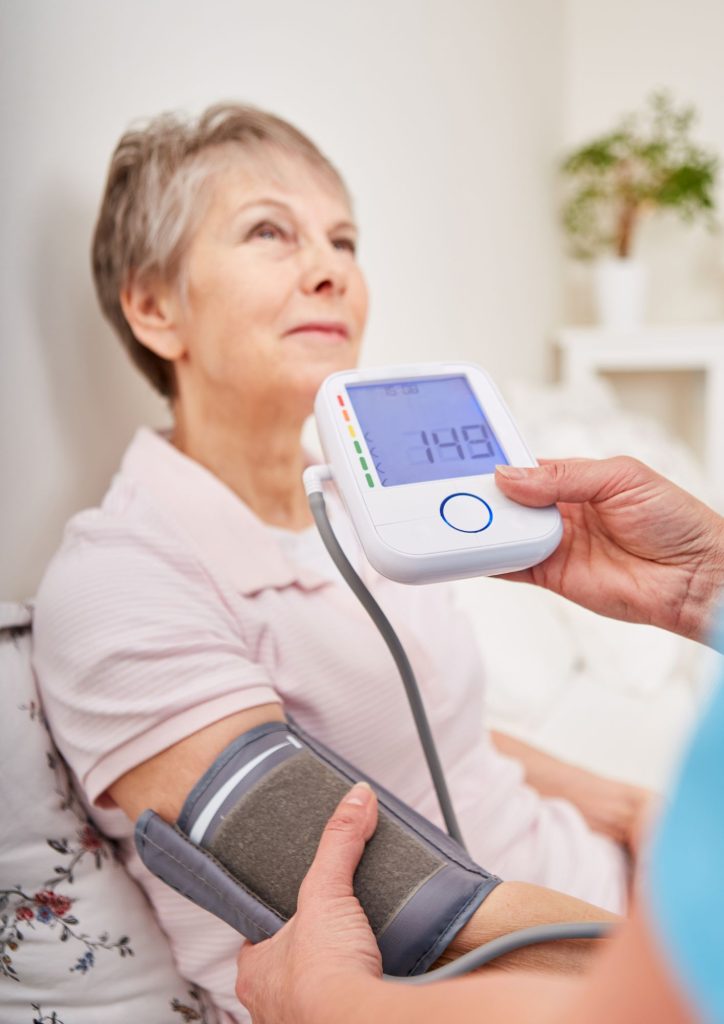
Blood pressure and POTS-type symptoms
Some people with SIBO notice symptoms that resemble POTS [8] [9].
This can include:
- dizziness when standing
- a racing or pounding heart
- feeling faint or unsteady
This often comes back to how well the body is regulating blood flow.
Inflammation, histamine, and nervous system dysfunction can all interfere with this, making it harder to maintain stable circulation to the brain – especially when changing position or after eating.
Bacterial byproducts affecting the brain
When there’s dysbiosis in the small intestine, certain bacteria can produce different byproducts as they ferment food. One of these is D-lactate. In extremely high amounts, D-lactate can lead to a condition called D-lactic acidosis, which affects brain function. This is very rare and typically only seen in specific medical situations, such as short bowel syndrome [10].
However, with small intestinal dysbiosis, even more moderate shifts in these byproducts may be enough to influence how you feel. This can show up as:
- dizziness
- feeling disoriented or ‘out of it’
- symptoms that worsen after carbohydrate-rich meals
This is one of the reasons dizziness often overlaps with brain fog – they’re driven by the same underlying imbalance, rather than being separate issues.
Gas, pressure, and breathing mechanics
This is a more physical piece. Excess gas in the small intestine can create pressure in the abdomen, which can affect how the diaphragm moves, subtly changing breathing patterns and oxygen exchange [11].
For some people, this contributes to:
- feeling faint or ‘air hunger’
- dizziness during bloating episodes
- symptoms that improve when gas reduces
Nutrient and mineral imbalances
SIBO can affect how well you absorb both vitamins and minerals.
This includes:
- B12 and iron (important for oxygen delivery) [12] [13]
- magnesium, sodium, and potassium (important for nerve function and blood pressure)
When these are low or imbalanced, it can contribute to:
- fatigue
- weakness
- ongoing lightheadedness
This side of things tends to build more gradually, and can keep symptoms lingering even when other areas improve. Dehydration can also play a role here, particularly if digestion and absorption are impaired, or if fluid and electrolyte balance isn’t being maintained properly [14].
Hormonal patterns and oestrogen recirculation
The gut also plays a big role in hormone regulation. With SIBO and dysbiosis, enzymes like beta-glucuronidase can increase, which can lead to more oestrogen being reabsorbed rather than cleared [15].
For some people, this shows up as:
- dizziness or headaches
- fluid shifts
- symptoms that fluctuate with the menstrual cycle
This is more likely to be a factor in your symptoms if you notice patterns where symptoms worsen at certain times of the month [16].
The nervous system as the common thread
All of these mechanisms are connected by one thing: how the nervous system is functioning.
It regulates digestion, blood flow, and balance, so when it’s dysregulated, multiple symptoms can show up at once.
This affects:
- how well food is digested
- how effectively bacteria are cleared (motility)
- how stable blood flow and blood pressure are
- how the body responds to internal signals
Motility (a key driver of SIBO) is directly controlled by this system, particularly through the migrating motor complex. When this rhythm is disrupted, bacteria aren’t cleared effectively from the small intestine, and symptoms persist.
At the same time, this dysregulation makes it harder for the body to maintain stable circulation and balance [5].
This is why dizziness often overlaps with symptoms like anxiety or sensitivity to stress – they’re being driven by the same underlying regulation issue.
How dizziness and SIBO show up day to day

One of the most frustrating things about SIBO and dizziness is how inconsistent it can feel. It’s not always there – and when it is, it doesn’t always behave the same way. When you look a bit closer, patterns do usually start to emerge.
For example, you might notice:
- dizziness that comes on after eating, especially certain meals
- a lightheaded or floaty feeling rather than true spinning
- symptoms that come and go in waves
- flare-ups that line up with bloating or digestive discomfort
It can also feel different depending on the time of day, and the day itself, depending on which other factors are affecting it.
For me, there were clear patterns. I often felt dizzy immediately after eating, and then again a few hours later – usually around the four-hour mark. At my worst, it was almost constant. Dizziness notably improved as I worked on my SIBO, nervous system, and hormone balance. Looking back, histamine was likely a big driver for me – but this isn’t the case for everyone.
Why treating SIBO doesn’t always fix dizziness
This is where people can get stuck. You might improve your gut symptoms – less bloating, better digestion – but the dizziness is still there, or it improves slightly and then comes back. That can feel confusing, especially when you feel like you’re doing all the right things.
But when you look at what’s actually driving the dizziness, it starts to make more sense. It’s not just coming from the bacteria itself. It’s coming from everything that sits around it.
You might reduce bacterial fermentation, but still have nervous system dysregulation, ongoing histamine reactivity, or unstable blood sugar. So while part of the picture improves, other drivers are still in place.
This is why approaches that focus purely on ‘getting rid of SIBO’ don’t always fully resolve how you feel. Even then, the root cause of your SIBO needs to be addressed to stop the pattern from continuing in the first place. If those pieces aren’t addressed, symptoms like dizziness can linger, even when things look better on paper.
This is something I see quite a lot in practice. People have often done ‘all the right things’, but something still isn’t clicking. And more often than not, it comes back to this bigger picture.
To sum up:
SIBO and dizziness can feel like a strange and confusing combination of symptoms, but when you look at what’s happening underneath, they’re often part of the same pattern.
It’s not just about what’s happening in the gut. It’s how digestion, the immune system, and the nervous system are all interacting – which is why symptoms can feel so varied and unpredictable. Dizziness isn’t random, and it isn’t something you’re imagining. It’s usually a sign that something in the system isn’t regulating properly.
Once you start to see it in that way, the symptoms begin to make more sense – and it becomes clearer why quick fixes or single approaches often fall short.
More importantly, it gives you a clearer direction on what actually needs to be addressed. This is something I’ve experienced myself, and it only really shifted when I addressed the bigger picture – not just the gut, but everything influencing it.

I’m Lucy, a Nutritional Therapist specialising in gut health, including SIBO, IBS, functional dyspepsia and histamine-related symptoms. I work with people who feel stuck with ongoing digestive issues despite trying diets, supplements, or standard protocols. My approach focuses on identifying root causes and restoring gut function, alongside supporting the nervous system, rather than relying on restrictive or short-term fixes.
If you’re struggling with persistent gut symptoms and not getting answers, you can book a free gut support call to discuss what you’re experiencing and whether one of my programmes could be the right fit for you.
References:
- https://pmc.ncbi.nlm.nih.gov/articles/PMC9233578/
- https://pubmed.ncbi.nlm.nih.gov/24365342/
- https://pmc.ncbi.nlm.nih.gov/articles/PMC9443583/
- https://pubmed.ncbi.nlm.nih.gov/38158886/
- https://pubmed.ncbi.nlm.nih.gov/17514065/
- https://www.mastcellaction.org/neurological-symptoms-of-mcas
- https://pmc.ncbi.nlm.nih.gov/articles/PMC11054089/
- https://www.ninds.nih.gov/health-information/disorders/postural-tachycardia-syndrome-pots
- https://pubmed.ncbi.nlm.nih.gov/38336892/
- https://pubmed.ncbi.nlm.nih.gov/2760434/
- https://pmc.ncbi.nlm.nih.gov/articles/PMC6534396/
- https://www.nhlbi.nih.gov/health/anemia/vitamin-b12-deficiency-anemia
- https://my.clevelandclinic.org/health/diseases/22824-iron-deficiency-anemia
- https://www.ncbi.nlm.nih.gov/books/NBK555956/
- https://pmc.ncbi.nlm.nih.gov/articles/PMC10416750/
- https://tidsskriftet.no/en/2024/03/perspectives/dizzy-and-female-could-there-be-hormonal-explanation